
"manual coffee sorting"
200 article(s) found

Classification and classification of coffee beans
Coffee beans are graded first by size and then by density. With two exceptions, all coffee beans have a considerable size and the same proportion, with flat on one side and semi-oval on the other. The special cases are pea-shaped coffee beans that tend to be more oval in shape and giant coffee beans with large particles (that is, Marragol peel coffee beans). The prices of these two kinds of coffee beans are always higher.

Grading and classification of coffee beans
Coffee beans are graded first by size and then by density. With two exceptions, all coffee beans have a considerable size and the same proportion, with flat on one side and semi-oval on the other. The special cases are pea-shaped coffee beans that tend to be more oval in shape and giant coffee beans with large particles (that is, Marragol peel coffee beans). The prices of these two kinds of coffee beans are always higher.

Classification and classification of coffee beans
Coffee beans are graded first by size and then by density. With two exceptions, all coffee beans have a considerable size and the same proportion, with flat on one side and semi-oval on the other. The special cases are pea-shaped coffee beans that tend to be more oval in shape and giant coffee beans with large particles (that is, Marragol peel coffee beans). The prices of these two kinds of coffee beans are always higher.

Geography and climate of coffee production process in Rwanda
The sink technician in the process will clean the coffee immediately because the delay will ferment the sugary outer layer of the coffee beans, ruining the taste of the coffee. The coffee beans are first thrown into a deep trough, and the best quality coffee fruit goes into the bottom and passes through a machine that peels off its skin. The mechanic takes out the floating coffee fruit, processes it in the same way and allows the cooperative to compare it in the domestic market.

Which brand is good for making coffee? What tools do you need to make coffee by hand?
Professional coffee knowledge exchange more coffee bean information Please follow the coffee workshop (Wechat official account cafe_style) suddenly asked what tools are needed for hand-made coffee, and in the evening compiled a list and sent it over. Now I calmed down and saw the list again, remembering that Jingjing asked a similar question at the end of last year. So I decided to sort out the contents of hand-brewed coffee.

Grade planning of coffee beans in Kenya
Common classification: hand-picked coffee fruit, picked by hand, picked out immature fruit (unripe), overripe fruit (overripe) and other defects, peeled, after about 36 hours of fermentation, placed on a metal grid for sun drying, in the processing plant to remove the seed shell (parchment), become a blue-green appearance of attractive Kenyan raw beans. These beautiful raw beans, according to one
How to pick and handle coffee beans how to make good siphon coffee
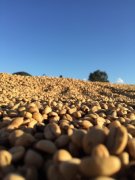
The natural drying method sends the picked berries to the drying plant, which will be classified according to the degree of maturity, as the basis for the time and degree of exposure in the sun. Generally, overripe berries take only 1-3 days, red berries take 5-6 days, and green unripe berries take 1-2 weeks. After sun treatment, the dried fruit needs to go through the sheller to remove the peel, pulp and silver skin.

The production process and methods of coffee in Rwanda introduce the characteristics of fine coffee
After the washed coffee beans are air-dried on the net rack, after washing the coffee beans many times to completely remove the remaining skin and sugary outer layer, the coffee beans are put into the sheltered rack to air-dry. Cooperative staff regularly flip coffee beans, while technicians continue to look for and pick out poor quality coffee beans. The two-week drying process takes place in the sun (preparing mulch in case of rain), but not
The method of grading and classification of coffee beans
Coffee beans are graded first by size and then by density. With two exceptions, all coffee beans have a considerable size and the same proportion, with flat on one side and semi-oval on the other. The special cases are pea-shaped coffee beans that tend to be more oval in shape and giant coffee beans with large particles (that is, Marragol peel coffee beans). The prices of these two kinds of coffee beans are always higher.

Classification and classification of high-quality coffee beans
Coffee beans are graded first by size and then by density. With two exceptions, all coffee beans have a considerable size and the same proportion, with flat on one side and semi-oval on the other. The special cases are pea-shaped coffee beans that tend to be more oval in shape and giant coffee beans with large particles (that is, Marragol peel coffee beans). The prices of these two kinds of coffee beans are always higher.
Fine coffee to learn the classification and classification of coffee beans
Coffee beans are graded first by size and then by density. With two exceptions, all coffee beans have a considerable size and the same proportion, with flat on one side and semi-oval on the other. The special cases are pea-shaped coffee beans that tend to be more oval in shape and giant coffee beans with large particles (that is, Marragol peel coffee beans). The prices of these two kinds of coffee beans are always higher.

Basic knowledge of Fine Coffee Classification and Classification of Coffee beans
Coffee beans are graded first by size and then by density. With two exceptions, all coffee beans have a considerable size and the same proportion, with flat on one side and semi-oval on the other. The special cases are pea-shaped coffee beans that tend to be more oval in shape and giant coffee beans with large particles (that is, Marragol peel coffee beans). The prices of these two kinds of coffee beans are always higher.

The increasingly well-known coffee production site of Los Congo Manor in Rwanda
In recent years, Rwanda has made great progress in coffee production and processing. First of all, coffee fruits are picked manually; coffee production cooperatives have been set up all over the country to provide technical guidance to coffee farmers; coffee farmers send them to coffee processing stations for cleaning and screening as soon as possible after picking. Select mature and high-quality coffee fruits for processing coffee fruits need to be delivered as soon as possible after picking.
General knowledge of fine coffee beans grading and classification of coffee beans
Coffee beans are graded first by size and then by density. With two exceptions, all coffee beans have a considerable size and the same proportion, with flat on one side and semi-oval on the other. The special cases are pea-shaped coffee beans that tend to be more oval in shape and giant coffee beans with large particles (that is, Marragol peel coffee beans). The prices of these two kinds of coffee beans are always higher.

Notes on using a semi-automatic coffee machine to make coffee what you need to know about a good cup of coffee
Abstract: coffee machine precautions-vigilance-small common sense: an overview of the matters needing attention in the use of semi-automatic coffee machines, such as fine grinding of coffee powder, selection of appropriate powder according to the coffee machine and mastery of brewing time, etc. The following contents are sorted out by Buy Network for your reference. Notes on using a semi-automatic coffee machine to make coffee the fragrant season of coffee, late autumn breeze afternoon, look

Species Planning of Coffee beans in Kenya
1) Common classification: hand-picked coffee fruit, picked by hand, picked out immature fruit (unripe), overripe fruit (overripe) and other defects, peeled, after about 36 hours of fermentation, placed on a metal grid for sun drying, in the processing plant to remove the seed shell (parchment), become a blue-green appearance of attractive Kenyan raw beans. These beautiful raw beans, roots

Every coffee bean needs to be screened, graded and tested. Why?
Professional coffee knowledge exchange more coffee bean information Please pay attention to coffee workshop (Wechat official account cafe_style) ochratoxin (Ochratoxin A) is a secondary metabolite secreted by Penicillium and Aspergillus, with nephrotoxicity, immunosuppression, carcinogenicity, etc., belongs to 2B class carcinogens. Ochratoxin fungi are common in nature, including soybeans, peanuts, corn,

Coffee production process and Geoclimate in Rwanda
Maraba Coffee, the geographic and climatic editor, is grown in southern Rwanda, about 12km (7 miles) from the city of Butare and 150km (93 miles) from the capital, Gejali. The plan began in the Malaba area of Butare province, but was taken over by a local government organization in 2006, which is now part of the Huye district of the southern province. Due to its proximity to the East African Rift Valley and Neuenweisen,

The whole process of coffee bean wet planing method _ Sumatra Mantenin coffee bean wet planing method
Professional coffee knowledge exchange more coffee bean information please pay attention to the coffee workshop (Wechat official account cafe_style) wet planing processing of coffee beans is a tradition of Indonesian Sumatran coffee, according to the president of the Indonesian Fine Coffee Association (SCAI) said Semi-washed Wet hulled, here its specific steps are as follows: ● first step: harvest 3 to 3 per year

Geography and climate of coffee bean production process in Rwanda
Production process editors Coffee fruits the maximum harvest season for Rwandan coffee is during the main rainy season in the area, from March to the end of May. During the harvest season, farmers spend most of their day picking coffee fruits by hand. In the afternoon, farmers carry coffee fruits in traditional baskets made of banana leaves to a cleaning station a few hours away. The mechanic will do it by hand.